






Jueteng in the Philippines: An In-Depth Exploration
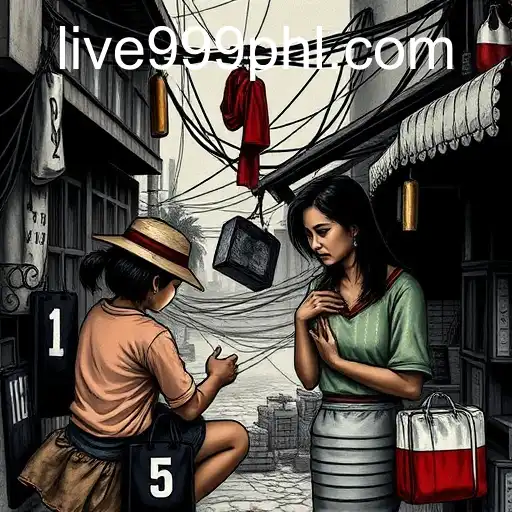
Understanding Jueteng in the Philippines
Jueteng is a prevalent illegal numbers game deeply rooted in the cultural tapestry of the Philippines. It is a game of chance that involves betting on a combination of two numbers ranging from 1 to 37. Despite being illegal, jueteng has thrived in various regions of the country, becoming an integral part of the everyday lives of many Filipinos. Often associated with issues of corruption and organized crime, jueteng remains a controversial subject in the socio-economic landscape of the Philippines.ph90
The Mechanics of Jueteng
The game of jueteng operates quite simply. Participants choose two numbers, and the winning combination is drawn daily. A small bet can yield a substantial return, making it attractive for individuals seeking financial relief. The draws are typically held twice a day, creating a routine that bettors regularly participate in. Despite the simplicity, the operation behind jueteng is complex, often involving an extensive network of collectors, coordinators, and overseers. These individuals work together to ensure the smooth operation of the betting process, collection of wagers, and distribution of winnings.jilitaka
Historical Background
The roots of jueteng can be traced back to Spanish colonial times. It is suggested that the game originated from a Chinese gambling tradition and was adapted locally in the Philippines. Throughout the years, it has evolved, becoming part of the local culture, especially in Luzon, where it is most widely practiced. Over time, jueteng has been used by community leaders and local politicians as a means to gain influence and alliance through financial support from jueteng lords.PH6788
Economic Impact
While jueteng is illegal, its economic impact cannot be understated. It operates largely in the informal sector and supports a wide range of individuals, from small-time bettors to the prominent figures orchestrating the games. The revenue generated from jueteng bets is substantial, often rivaling that of legitimate gambling endeavors. Many argue that in impoverished areas, jueteng serves as a method of economic distribution, with winnings often reinvested in local communities. However, relying on an illegal and unregulated system poses numerous risks, including exploitation, corruption, and insufficient legal protection for participants.
Political Dimensions and Controversies
Jueteng has long been intertwined with Philippine politics. Accusations of corruption and bribery linked to jueteng have tainted numerous political careers. The illegal nature of jueteng means that those in power may be tempted to partake in or ignore its operations for personal or political gain. High-profile investigations and scandals over the years illuminate the deep connections between jueteng operators and government officials, with money flowing through seemingly legitimate political contributions.
Efforts Toward Legalization
In light of jueteng's deep entrenchment in society, there have been various discussions regarding its legalization. Proponents advocate that legalizing and regulating jueteng could control illicit activities while generating revenue for the government, potentially funding public services and community development projects. They also argue that legalization could protect participants from exploitation and improve transparency within the system.999PHL
Challenges in Addressing Jueteng
The persistence of jueteng despite various crackdowns highlights the complexities in addressing illegal gambling in the Philippines. Outlawing jueteng has proven to be nearly impossible without comprehensive reforms addressing poverty, corruption, and governance. Efforts to eliminate jueteng often face strong resistance and are seen as temporary measures that fail to address the underlying socio-economic issues driving its existence. Law enforcement agencies continue to battle with clandestine operations without consistent and sustained support from a political will to dismantle the networks effectively.PH6788
The Role of Jueteng in Filipino Society
Jueteng represents more than just a gambling activity for many Filipinos; it is a social institution. It provides hope for financial improvement and a sense of community among bettors and operators. Though often seen negatively due to its illegality and associated criminal aspects, jueteng also symbolizes resilience and resourcefulness, where individuals find ways to navigate economic hardships. As a tradition ingrained in everyday life, it reflects both the challenges and the ingenuity of people living in resource-limited settings.
Unveiling StempedeRushTrident: The Game Redefining Competitive Spirit

Dive into the thrilling world of StempedeRushTrident, a game that blends excitement, strategy, and global current events. Discover its captivating introduction, intricate rules, and unique gameplay that entices players worldwide.
2026-02-08
Exploring the Enchanting World of GaneshaFortune with 999PHL

Dive into the mesmerizing universe of GaneshaFortune, a captivating game influenced by the rich tapestry of Hindu mythology, enhanced by the mystical allure of 999PHL.
2026-02-07
Discover JuicyGemsBonusBuy: A Gem of a Game

Explore the immersive world of JuicyGemsBonusBuy, a captivating game that combines strategic gameplay and vibrant visuals.
2026-02-06
Discover the Exciting World of PowerCrown

An in-depth look at PowerCrown, a thrilling new game with engaging mechanics and rules.
2026-02-05

 download apk/ios